

Artificial intelligence (AI) is transforming the fintech industry, driving innovation and enhanced customer experiences. As AI capabilities advance, its potential to disrupt financial services grows. AI startups are leading this transformation by leveraging data analytics, machine learning algorithms, and automation to streamline operations, mitigate risks, and provide hyper-personalized offerings.
For instance, AI chatbots are delivering 24/7 customer support while AI-based fraud detection systems analyze transactions to identify suspicious activities. Robo-advisors powered by AI are providing customized investment recommendations and portfolio management. Even lending decisions and credit risk assessments are being automated by AI. As a result, both customers and financial institutions benefit from greater efficiency, transparency, and accuracy.
Looking ahead, the proliferation of AI in fintech promises continued disruption. By embracing AI-based solutions, startups gain a competitive edge with data-driven insights, innovative products, and elevated user experiences – ultimately reshaping the future landscape of finance. Though AI adoption poses some ethical concerns, the technology's immense potential is undeniable.
What are the benefits of using AI in fintech?
Artificial intelligence (AI) is increasingly becoming a cornerstone in the fintech industry, offering a multitude of benefits that are transforming the financial landscape. Here are some of the key advantages of using AI in fintech:
1. Enhanced Customer Experience: AI-driven tools like chatbots provide round-the-clock customer service, offering quick responses to inquiries and personalized financial advice, which can significantly boost customer satisfaction and retention rates.
2. Improved Efficiency:AI applications in fintech lead to productivity gains by automating routine tasks such as data entry and credit scoring, allowing financial institutions to allocate human resources to more complex tasks.
3. Fraud Detection and Security: AI systems excel at analyzing vast amounts of transaction data to detect anomalies and potential fraud, thereby enhancing the security of financial operations. This is crucial as financial institutions face billions in losses due to fraudulent activities each year.
4. Cost Reduction: By automating various processes and reducing the need for manual intervention, AI helps in cutting down operational costs for fintech companies.
5. Data-Driven Decision Making: AI algorithms can process and analyze large datasets to identify patterns and trends, enabling data-driven decision-making that can lead to more informed and strategic business moves.
6. Risk Management: AI enhances risk assessment capabilities by providing more accurate credit risk evaluations and informed lending decisions, which is vital for the financial health of institutions.
7. Market Insights: AI and machine learning systems can recognize trading patterns and react to market changes, offering valuable insights for investment and trading strategies.
8. Inclusion: AI has the potential to democratize financial services by making them more accessible to underserved populations, thus contributing to financial inclusion.
The integration of AI in fintech is not just a trend but a strategic necessity for companies looking to stay competitive and address the evolving needs of the market. As AI technology continues to advance, its role in shaping the future of financial services is expected to grow even more significant.
Challenges of Implementing AI in Fintech
Implementing AI in fintech comes with several challenges:
1. Data Quality and Availability: AI models require large amounts of accurate and relevant data for effective training. Insufficient or poor-quality data can hinder the performance of AI systems.
2. Lack of Standardization: The absence of standardized data formats can complicate the integration of AI, as it may require additional resources to clean and standardize data.
3. Regulatory Compliance: Regulatory bodies require transparency, fairness, and accountability in AI systems, which can pose challenges in terms of compliance.
4. Talent Acquisition and Skill Gap: Implementing AI requires a skilled workforce capable of designing, deploying, and managing AI systems. Fintech companies often face difficulties in hiring and retaining top AI talent due to high demand and competition.
5. Cybersecurity: AI-driven fintech solutions often involve sharing and processing sensitive data, raising concerns about data breaches and confidentiality.
6. Ethical Considerations: There's a risk of machine learning biases undermining financial inclusion. Fintech firms must embrace ethical AI practices to mitigate the risk of perpetuating discriminatory practices.
7. Transparency and Trust: Many customers may feel uncomfortable entrusting their financial matters to machines. Fintech companies must provide crucial information about their AI model to build trust.
8. Job Displacement: Automation of tasks and decision-making processes by AI in fintech can lead to job losses, creating significant challenges for those who need to find new employment or retrain for new roles.
Despite these challenges, the potential benefits of AI in fintech are immense, and with strategic planning and investment, these obstacles can be overcome
Leading AI Fintech Startups in 2024
AI-powered solutions are emerging as a game-changer, enabling more efficient, personalized, and secure financial services. In this article, we will explore the top 10 fintech AI startups that are revolutionizing the industry, showcasing their innovative approaches to enhancing customer experiences, streamlining operations, and mitigating risk. These startups are at the forefront of the AI revolution in fintech, paving the way for a more intelligent and connected financial ecosystem.
ZestFinance
Country – United States
Funding – $120.9 M
ZestFinance, is reshaping the fintech landscape in the Future of AI Finance with its innovative AI-driven credit underwriting software. This AI powerhouse is not just playing the game, it's changing the rules, making lending fairer and more transparent. By leveraging AI's potential, ZestFinance is creating a paradigm shift in risk assessment, offering a lifeline to those often overlooked by traditional credit models.
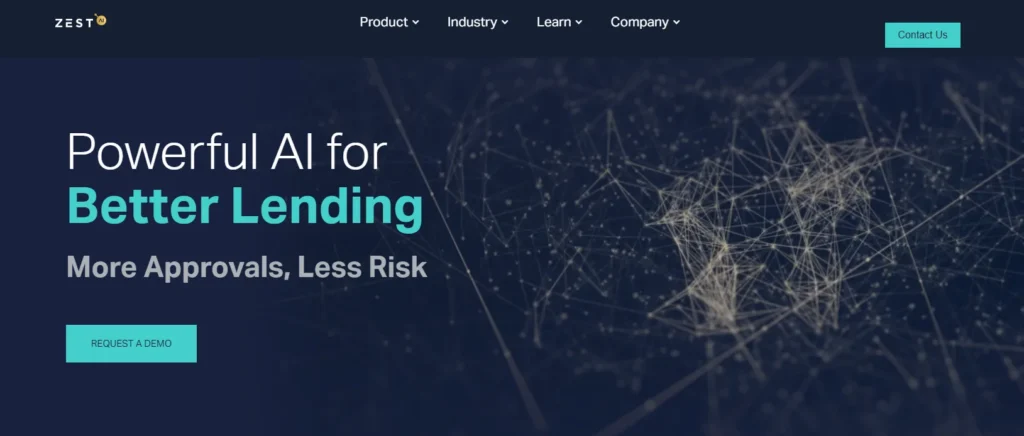
In the fast-paced world of fintech, ZestFinance is a beacon of innovation, using adversarial debiasing to remove bias and create outcomes that are both accurate and fair. This is not just a drop in the ocean; it's a tidal wave of change. With ZestFinance at the helm, the Future of AI Finance is looking brighter than ever, promising a more inclusive and equitable financial landscape
ZestFinance Key Features
Enova
Country – United States
Funding – Bootstrap
Enova International, a beacon in the fintech landscape, was founded in 2003 and has since emerged as a pivotal player, revolutionizing access to credit through its machine learning-powered Colossus platform. Based in the U.S., Enova has proudly funded over $53 billion in loans, serving more than 9.5 million customers worldwide. This fintech giant, listed on the NYSE under the ticker ENVA, has garnered recognition for its exceptional workplace and innovative contributions to the financial technology sector, marking its territory among the top digital companies in Chicago.
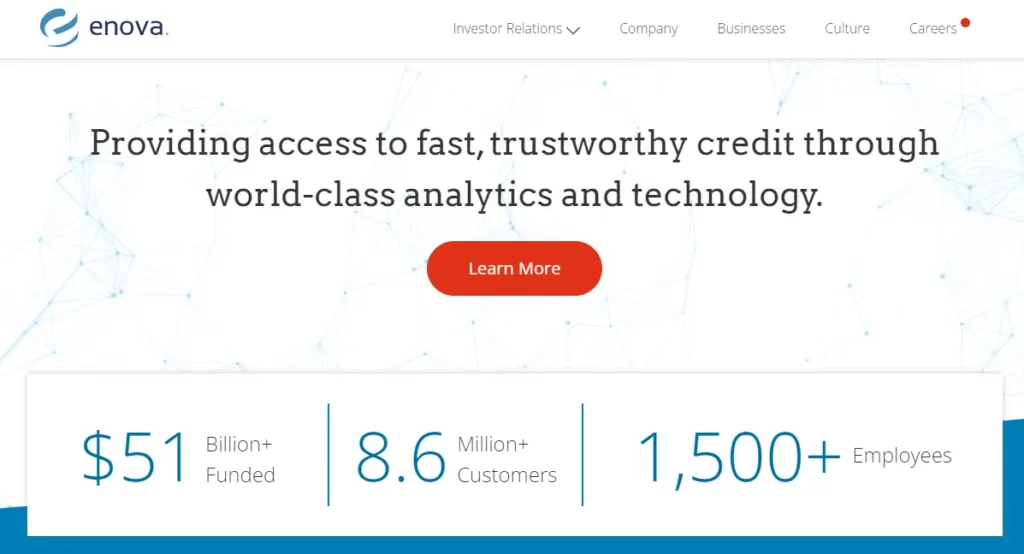
In the dynamic world of fintech, AI startups like Enova are leading the charge, transforming the financial landscape with groundbreaking technologies. By harnessing the power of AI, these startups offer personalized financial services, enhance fraud detection, and streamline operations, thereby setting new benchmarks for efficiency and customer satisfaction. Enova's journey, from its inception to becoming a leading name in fintech, exemplifies how AI startups are not just participating in the industry but are at the forefront of its evolution, reshaping how financial services are delivered and experienced by millions.
Enova Key Features
INDMoney
Country – India
Funding – $86 M
INDmoney is an Indian fintech startup founded in 2018 that offers a super money app to help users manage their finances. The app provides an all-in-one solution for tracking, saving, investing, and growing financial assets.
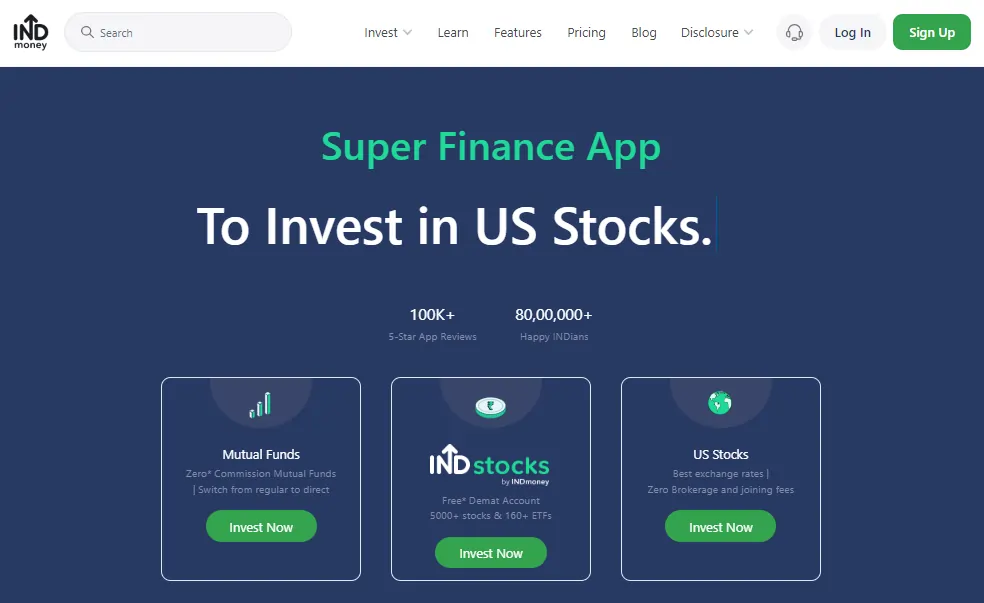
INDmoney include AI-based investment recommendations, zero-commission stock trading, FD tracking, expense management, and rewards programs. The app aims to make financial services more accessible by consolidating assets, providing analysis, and enabling direct investments with ease. By leveraging technology like AI, INDmoney is transforming personal finance and investing for Indian consumers. The startup has raised funding from investors like Tinder founders Justin Mateen and Dinesh Moorjani as it continues expanding its product offerings.
INDmoney, a pioneering fintech platform, has revolutionized the way individuals manage their finances. With its inception in 2018 and backed by prominent investors like Sequoia Capital India, SAIF Partners, and Steadview Capital, INDmoney has emerged from India as a formidable player in the fintech space. The platform has successfully garnered over $75 million in funding, showcasing its potential and the confidence investors have in its vision. INDmoney's comprehensive suite of features caters to a wide array of financial needs, making it a “super money app” for users looking to track, save, and grow their money all in one place.
INDmoney Key Features
Vectra AI
Location: United States
Funding : $200 M
Vectra AI is like a high-tech sheriff in the wild west of the Future of AI Finance, bringing law and order to the untamed frontier of fintech cybersecurity. With their six-shooter loaded with machine learning bullets, they're not just watching the horizon they're predicting where the next threat will gallop in from. Their approach isn't just about slapping on a band-aid after a shootout it's about preventing the outlaws from riding into town in the first place. By harnessing the power of AI, Vectra AI is transforming the fintech landscape, ensuring that financial institutions can focus on innovation without looking over their shoulder for the next cyber bandit.

In the fast-paced world of fintech, where the “Future of AI Finance” is being written, Vectra AI stands out as the sharpshooter with an eagle eye for threats. They've turned the tables on attackers, using AI-driven Attack Signal Intelligence to spot the bad guys before they can make their move. This isn't just a game of cat and mouse it's a sophisticated dance where Vectra AI leads, making them indispensable partners in the quest for cybersecurity resilience. As they continue to innovate and adapt, Vectra AI isn't just changing the game; they're setting the rules, ensuring that the future of AI in finance is not only bright but secure.
Vectra AI Key Features
NumerAI
Country : United States
Funging : $1.5 M
Numerai, an avant-garde hedge fund established in 2024, has swiftly become a beacon of innovation in the financial sector by harnessing the power of artificial intelligence. With a pioneering $1.5 million funding round led by a founder of Renaissance Technologies, Numerai underscores the burgeoning interest in melding cutting-edge technology with financial market strategies. This AI-focused fund, based in the United States, has carved out a competitive niche, ranking impressively among its peers, thanks to its unique approach to investment, leveraging a global community of data scientists.

In the dynamic realm where AI startups are transforming the fintech landscape, Numerai stands out by turning the complex world of hedge funds into a playground for machine learning enthusiasts. By offering a meticulously curated, anonymized dataset, Numerai invites participants worldwide to build predictive models, thereby democratizing access to the high-stakes world of hedge fund investments. This innovative model not only fosters a collaborative spirit across borders but also exemplifies how AI startups are reshaping the fintech ecosystem, making it more inclusive, competitive, and efficient.
NumeraiAI Key Features
SESAMm
Location: France
Funding : $37 M
SESAMm, a French startup, is a trailblazer in the AI fintech industry, transforming the landscape with its innovative use of AI and machine learning. The company's AI-powered platform analyzes billions of articles, providing unparalleled insights into ESG controversies, risks, and opportunities across industries. SESAMm's distinct approach to technology is reshaping the future of AI finance, turning complex data into actionable insights and paving the way for smarter investment decisions.

SESAMm's platform is a game-changer, offering a web-based dashboard where companies can access data analysis, visualizations, and push notifications for various due diligence, compliance, and ESG scenarios. The company's future plans involve embracing generative AI to refine data analysis further, promising even sharper insights for clients. By leveraging sentiment analysis through NLP-based indicators, SESAMm is helping its clients gather up-to-date information and enhance their investment decisions. This is why SESAMm stands at the forefront of AI-powered ESG analysis, not just through technological innovation but also through a steadfast commitment to sustainability.
SESAMm Key Features
Cleo
Country – United States
Funding – $137.39 M
Cleo, an AI-driven financial assistant, is making waves in the fintech landscape, showcasing how AI startups are transforming fintech. Founded in 2016 and headquartered in New York, Cleo has attracted significant attention and funding, amassing $137.39M from investors like LocalGlobe and Balderton Capital. With a mission to revolutionize personal finance management, Cleo leverages artificial intelligence to offer personalized financial advice, budgeting tools, and cash advances without interest or credit checks. This innovative approach has positioned Cleo as a frontrunner in the fintech sector, competing with giants like Plum and Monzo, and underscores the transformative impact of AI startups on the financial industry.

In the rapidly evolving fintech ecosystem, AI startups like Cleo are not just participants but pioneers, charting new territories in personal finance. By integrating AI and machine learning, Cleo provides real-time financial insights and proactive budgeting tools, empowering users to make informed decisions about their money. This blend of technology and user-centric design is a testament to how AI startups are transforming fintech, offering more than just financial services but a pathway to financial wellness and independence. As Cleo continues to expand its offerings and reach, it exemplifies the dynamic role of AI in reshaping the financial landscape, making sophisticated financial management accessible to all.
Cleo Key Features
Bud Financial
Location: The UK
Funding : $103 M
Bud Financial is blooming into a leading AI startup that's cultivating innovative ways for banks and fintechs to nurture stronger connections with customers. By planting advanced data analytics and machine learning into financial services, Bud enables personalized product offers to take root, empowering consumers to harvest insights and improve their financial wellbeing.
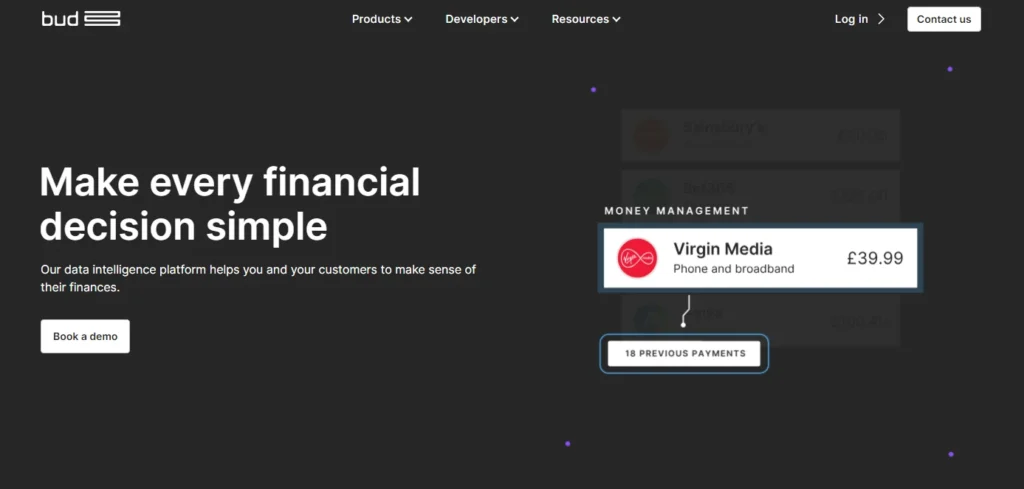
As AI shapeshifts the fintech ecosystem, Bud Financial stands out from the herd, driving cutting-edge advancements like its new generative AI assistant “Jas.” Jas helps consumers and institutions make heads or tails of financial data through natural conversation. Additionally, Bud's flexible AI models can be tailored to each bank's unique needs. With Bud leading the charge, AI's transformative impact in areas like lending, credit risk modeling, fraud prevention and customer engagement will bear fruit. The future looks bright as Bud continues to sow the seeds of responsible AI innovation in banking, helping to cultivate a win-win for consumers and institutions alike.
Bud Financial Key Features
Signifyd
Country – United States
Funging – $411.2 M
Signifyd, a beacon in the fintech landscape, was founded in 2011 and has since emerged as a leading force in ecommerce fraud protection. With a hefty funding of $411.2M, including a significant $205M Series E round, Signifyd stands tall with a valuation that underscores its pivotal role in transforming the fintech ecosystem. Investors like PremjiInvest and Menlo Ventures have placed their bets on Signifyd, recognizing its potential to redefine digital commerce security. Operating from its headquarters in San Jose, California, Signifyd serves a global clientele, including giants like Walmart and Samsung, showcasing its expansive reach and the trust it commands across borders.
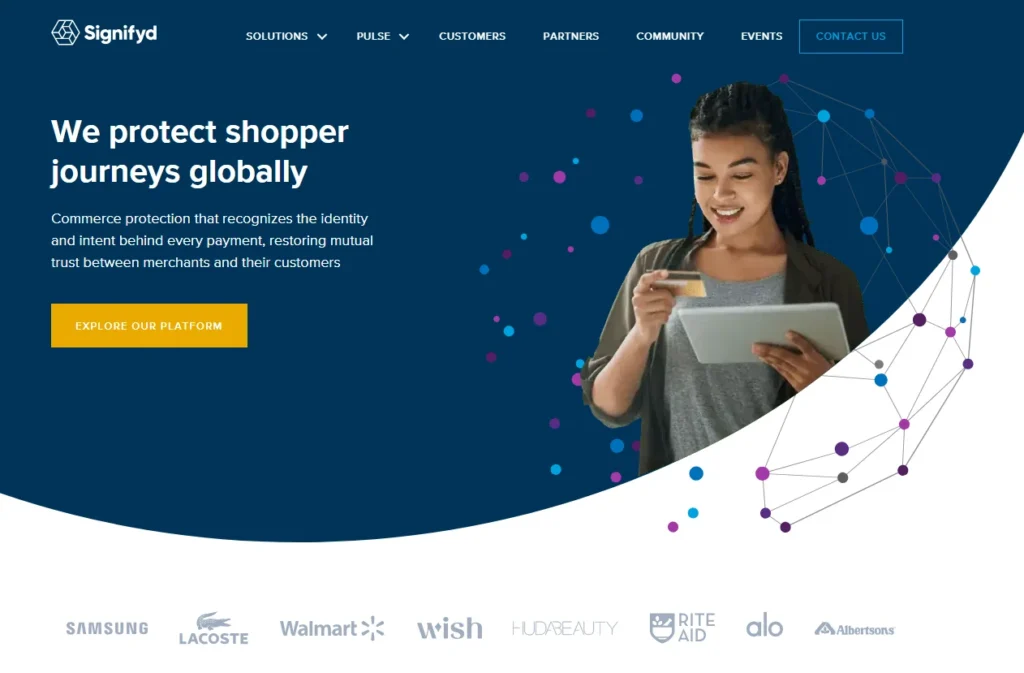
In the dynamic realm of fintech, AI startups like Signifyd are not just participants but trailblazers, steering the industry towards uncharted territories of innovation and security. By leveraging cutting-edge AI and machine learning, Signifyd offers a suite of services that protect online retailers from fraud, abuse, and compliance issues, ensuring a seamless customer experience. This approach not only fosters trust but also propels ecommerce growth by minimizing friction and maximizing transaction approval rates. As AI startups continue to transform the fintech landscape, Signifyd's journey from a humble beginning in Palo Alto to becoming a global leader in ecommerce fraud protection exemplifies the transformative power of AI in creating safer, more efficient digital commerce ecosystems.
Signifyd Key Features
High Radius
Location: The USA
Funding : $300 M
HighRadius, a beacon in the fintech landscape, is revolutionizing the way businesses manage their finances. Founded in 2006, this AI startup has attracted attention from top-tier investors, securing a whopping $300 million in Series C funding, which catapulted its valuation to $3.1 billion. Operating globally with a significant presence in the United States, HighRadius has firmly established itself as a leader among its competitors in the fintech sector. Its innovative Autonomous Software platform processes over $2.23 trillion in transactions annually, showcasing its substantial impact on the financial operations of more than 700 leading companies worldwide, including giants like Unilever and Anheuser-Busch InBev.

In the dynamic world of fintech, AI startups like HighRadius are at the forefront of a transformative wave, reshaping the financial services industry with cutting-edge technology. By leveraging artificial intelligence, HighRadius offers a suite of solutions that automate and optimize order-to-cash, treasury management, and record-to-report processes. This not only accelerates financial transactions but also enhances accuracy and efficiency, leading to significant reductions in days sales outstanding (DSO) and bad debt, while simultaneously boosting operational productivity. The company's success and innovation in utilizing AI to drive financial transformation underscore the pivotal role AI startups play in transforming the fintech landscape, setting new benchmarks for excellence and efficiency in financial operations
HighRadius, Key Features
Upstart
Country – United States
Funding – $200 M
Upstart is an AI-powered lending platform founded in 2012 that is transforming consumer lending. Upstart's AI models evaluate applicants based on factors beyond traditional credit scores, such as education and employment history, to more accurately predict credit risk. This allows Upstart to approve more borrowers at lower interest rates across demographics.

By leveraging AI and machine learning, Upstart delivers exceptional digital-first lending experiences where over two-thirds of loans are instantly approved and fully automated.Upstart has originated over $13 billion in loans and has become a leader demonstrating how AI startups can increase access to affordable credit while reducing risks and costs. With personalized rates in seconds, no paperwork, and next-day funding, Upstart uses technology to provide “effortless borrowing based on true risk.
Upstart Key Features
Kasisto
Countery- Singapore
Funding – $31 M
Kasisto is a leading AI startup founded in 2013 that is transforming the fintech landscape with its conversational AI platform, KAI. KAI is specifically designed for the banking industry to provide human-like, personalized conversations and financial advice. The key features of KAI include intelligent virtual assistants, fraud detection, automated reporting, and predictive analytics.
Location: The USA

Kasisto has raised over $31 million in funding from investors like Oak HC/FT and Singapore Telecommunications Ltd. With competitors like Active.ai and Clinc, Kasisto is ranked as one of the top AI startups in fintech. By leveraging large language models like GPT-3, Kasisto continues to enhance KAI's capabilities to empower banks and credit unions to optimize customer experiences. The use cases and industry adoption show how Kasisto's AI innovations are driving the evolution of digital banking.
Kasisto Key Features
Use Cases of AI in Fintech
Stronger Security
Security works as paramount in the financial sector, and AI enhances data security through continuous monitoring and advanced threat detection.
Applications:
- Fraud Detection: AI algorithms analyze vast amounts of transaction data to detect unusual patterns and potentially fraudulent activities.
- Biometric Authentication: Using AI-driven facial recognition or fingerprint analysis for secure user authentication.
- Real-Time Threat Analysis: Continuously monitoring network activity to identify and mitigate potential security threats.
- Impact: Reducing fraud, enhancing user trust, and protecting sensitive financial information.
Fraud Detection
AI plays a crucial role in fraud prevention by employing machine learning models to detect anomalies and suspicious activities.
Applications:
- Credit Card Fraud Detection: Analyzing transaction patterns to identify potential credit card fraud.
- Insurance Fraud Detection: Identifying fraudulent claims in the insurance sector through data analysis.
- Anti-Money Laundering (AML): Utilizing AI to detect and report suspicious money laundering activities.
- Impact: Minimizing financial losses, complying with regulatory requirements, and enhancing the integrity of financial systems.
Also read ???? AI Takes the Lead in the Fight Against Financial Crime in Banking
Personalized Banking
AI enables the tailoring of financial services to individual needs, offering a personalized and engaging banking experience.
Applications:
- Personalized Product Recommendations: Recommending financial products and services based on individual preferences and financial behavior.
- AI Chatbots: Providing personalized customer support through intelligent virtual assistants.
- Behavioral Analytics: Analyzing user behavior to create personalized financial insights and advice.
- Impact: Enhancing customer satisfaction, increasing engagement, and fostering loyalty.
Algorithmic Trading
Traders are utilizing AI for better investment decisions, optimizing trading strategies, and automating trading processes.
Applications:
- Predictive Analytics: Using AI to predict market trends and guide investment decisions.
- Automated Trading Bots: Implementing AI-driven trading bots to execute trades automatically based on predefined criteria.
- Risk Management: Employing AI to assess and manage investment risks.
- Impact: Maximizing returns, reducing human error, and enabling more strategic investment decisions.
Robotic Process Automation (RPA)
Automating back-end procedures in FinTech and Banking through Robotic Process Automation (RPA), streamlining operations, and reducing manual tasks.
Applications:
- Automated Customer Onboarding: Streamlining the customer onboarding process through automation.
- Invoice Processing: Automating the processing of invoices and payments.
- Compliance Reporting: Utilizing RPA to generate and manage regulatory compliance reports.
- Impact: Increasing efficiency, reducing costs, and enabling staff to focus on more complex and value-added tasks.
Credit Scoring and Loan Prediction
AI assists in credit scoring and loan prediction by analyzing a wide range of factors, making financial services more accessible and efficient.
Applications:
- Alternative Credit Scoring: Considering non-traditional data such as social media activity and online behavior for credit assessment.
- Predictive Loan Analytics: Using AI to predict loan defaults and assess loan risks.
- Dynamic Pricing: Tailoring loan terms and interest rates based on individual risk profiles.
- Impact: Expanding access to credit, enhancing risk management, and creating more fair and transparent lending practices.
Benefits of AI in Fintech Industry
The integration of AI in fintech offers numerous benefits:
Higher User Engagement
AI-driven platforms engage users with personalized recommendations, insights, and interactive experiences. By customizing marketing campaigns to individual preferences and behavior.
Providing 24/7 customer support through AI-powered chatbots.
Behavioral Analytics: Analyzing user behavior to create targeted financial insights and advice. Enhancing customer satisfaction, increasing retention rates, and fostering long-term relationships.
Optimized Workload
Automation through AI reduces manual tasks, allowing financial professionals to focus on strategic decisions and complex problem-solving. Automating repetitive tasks such as data entry and processing. Generating financial reports and compliance documents automatically.
Streamlining workflows and optimizing resource allocation. Increasing efficiency, reducing human error, and enabling a more agile and responsive workforce.
Secure Payments
AI enhances payment security through continuous monitoring, user verification, and fraud detection. Analyzing payment patterns to detect and prevent fraudulent financial transactions. Utilizing facial recognition or fingerprint analysis for secure payment authentication. Implementing advanced encryption and security protocols for online payments.
Reducing fraud, enhancing user trust, and ensuring the integrity of online payment systems.
Reduced Support Costs
AI-powered chatbots and virtual assistants handle customer inquiries and support, reducing the need for extensive human support teams. Providing instant responses to common customer inquiries. Managing customer support tickets and routing them to appropriate human agents when needed. Enabling customers to find answers and resolve issues through AI-driven self-service platforms.
Lowering operational costs, improving response times, and enhancing the overall customer support experience.
Data-Driven Decision Making
AI enables financial firms to make informed decisions based on real-time data analysis and predictive modeling. Predictive Analytics: Utilizing AI to forecast market trends, customer behavior, and financial outcomes.
Employing machine learning to assess and manage financial risks. Analyzing customer data to identify segments and tailor products and services accordingly. Enhancing strategic planning, improving risk management, and creating more targeted and effective financial products and services.
Enhanced Accessibility
AI makes financial services more accessible to a broader audience, including underserved populations and those with disabilities. Providing voice-controlled banking and financial services for visually impaired users. Utilizing AI to reach underserved communities with tailored financial products. Offering multilingual support to serve diverse customer bases.
Expanding the reach of financial services, promoting inclusivity, and catering to diverse needs and preferences.
Machine Learning in Credit Scoring: Enhancing Lending Decisions for Fintech AI Startups
Machine Learning (ML) in credit scoring is revolutionizing the way Fintech AI startups make lending decisions. This transformation is not only enhancing the accuracy of credit assessments but also making the process faster and more efficient.
Machine Learning in Credit Scoring
Traditional credit scoring methods often rely on past performance and fixed models. However, with the advent of machine learning algorithms, real-time indicators of creditworthiness are now being considered. These algorithms analyze financial behavior, income forecasting, and other non-traditional information to provide more sensitive and individualized assessments.
According to a study by the Bank for International Settlements, machine learning models outperformed traditional models during an aggregate credit supply shock in China. This shows the potential of ML in capturing non-linear relationships between variables, even during periods of economic stress.
AI-powered conversational banking: Explore how AI chatbots are transforming customer service in the financial sector
AI-powered conversational banking is transforming the way financial institutions interact with their customers, providing more efficient and personalized customer service. By leveraging AI chatbots and natural language processing (NLP) technologies, banks can automate routine tasks, offer instant support, and reduce the need for manual processing.
NLP plays a crucial role in enabling chatbots to understand and process complex financial language, including industry jargon, numbers, currencies, and product names. This technology allows chatbots to parse unstructured data and provide accurate, relevant information to customers in real time.
Conversational banking offers several benefits to financial institutions, such as cost savings, reduced human errors, and improved scalability. By automating tasks and integrating with other business solutions, conversational technology ensures banking services are accessible to more customers without the need for an extensive customer service team.
The Rise of Artificial Intelligence in the Financial Sector
Artificial intelligence (AI) has become a transformative force in the financial sector, revolutionizing how businesses and individuals manage their finances. From banks to investment firms, AI's advanced technologies are disrupting traditional models, leading to massive savings and streamlined solutions.

Reducing Expenses: A New Era of Efficiency
AI's ability to process huge amounts of data in real time has led to extensive cost savings for financial institutions. Automation of repetitive tasks and intelligent decision-making models have reduced the need for human intervention, saving both time and money. According to Business Insider, AI applications are predicted to save banks $447 billion by 2023.
Examples of Expense Reduction
- Fraud Detection: AI algorithms detect fraudulent activities by analyzing patterns, reducing false positives, and minimizing human error.
- Process Automation: AI-powered tools automate mundane tasks, leading to operational cost reduction.
Streamlining Financial Management: Smart Solutions
AI's systematic approach to financial management has made it a vital component in the industry. Its ability to analyze and validate extensive data sets has led to more accurate risk assessments, credit decisions, and personalized banking experiences.
Examples of Streamlined Financial Management:
- Risk Management: Machine learning helps with risk management by identifying trends and potential issues early on.
- Personalized Banking: Virtual assistants like Capital One's “Eno” offer personalized insights and 24/7 financial guidance.
Increasing Earnings: Maximizing Profits through Intelligence
The financial sector has been using AI's advanced capabilities to create new revenue streams and increase earnings. From trading to investment advisory services, AI's intelligent algorithms have enabled more profitable decisions.
Examples of Earnings Increase:
- AI in Trading: Algorithmic trading systems monitor data for faster decisions and accurate predictions, maximizing profits.
- Financial Advisory Services: AI algorithms provide portfolio analysis and advice, leading to wealth generation.
Advantages and Challenges
The integration of Artificial Intelligence (AI) in the financial sector, commonly referred to as fintech, has been a positive game changer, offering numerous advantages. However, the challenges of AI in fintech are equally significant, and understanding both sides of this technological coin is essential for anyone involved in the industry.
Advantages of AI in Fintech
- Improved Customer Experience: AI-driven chatbots and virtual assistants enhance customer experience by providing personalized support and recommendations. This leads to a more streamlined and efficient customer service.
- Enhanced Efficiency: AI's ability to process massive amounts of data, identify patterns, and automate repetitive tasks saves time and reduces costs. This has led to world-class solutions that have slashed the time taken for various financial processes.
- Better Risk Management: AI's predictive capabilities allow companies to make accurate predictions and improve risk management strategies. This includes fraud detection, credit scoring, and more.
- New Business Opportunities: The advanced technologies in AI have opened up new business opportunities in the financial sector, including personalized financial products and services.
Challenges of AI in Fintech
- Data Sensitivity and Security: The financial sector deals with highly sensitive data. Ensuring compliance and security is a massive challenge, especially with the risk of cyber threats and breaches.
- Scalability Issues: Implementing AI on a large scale can be complex. Factors such as data sensitivity, infrastructure, and the need for human oversight can hinder scalability.
- AI Talent Shortage: The lack of professionals with a capable AI skillset is a significant obstacle. Competition from larger FinTech firms and a skill gap between current professionals and industry needs to add to the struggles in implementing AI technology.
- Transparency, Explainability, and Trust: Building trust in AI-driven financial services requires transparency and explainability. This is often a challenge, and can also act as a potential risk, as AI models can be complex and not easily understood by the average user.
- Ethical Considerations: Fairness and bias in algorithms must be addressed to ensure that AI-driven decisions are equitable.
Conclusion: Future of AI in Fintech
Investment in AI in fintech is predicted to reach USD 22.6 billion globally by 2025. The future will see increased application across industries but also potential tensions regarding data access and ethics. Understanding the changes and developments in the fintech sector is crucial for business owners and CEOs to stay ahead of competitors.
Machine Learning in Credit Scoring is a game-changer for Fintech AI startups. By leveraging real-time data and sophisticated algorithms, it offers a more accurate, faster, and inclusive approach to credit assessment. As this cutting edge technology continues to evolve, it promises to reshape the financial landscape, benefiting both lenders and borrowers.
As the fintech landscape continues to evolve, these AI Fintech startups are poised to lead the charge in shaping the future of finance. Keep an eye on these game-changers as they continue to disrupt traditional financial services and redefine the industry's boundaries.